Threats to Turtles
Sea turtles face many threats to their survival, including:
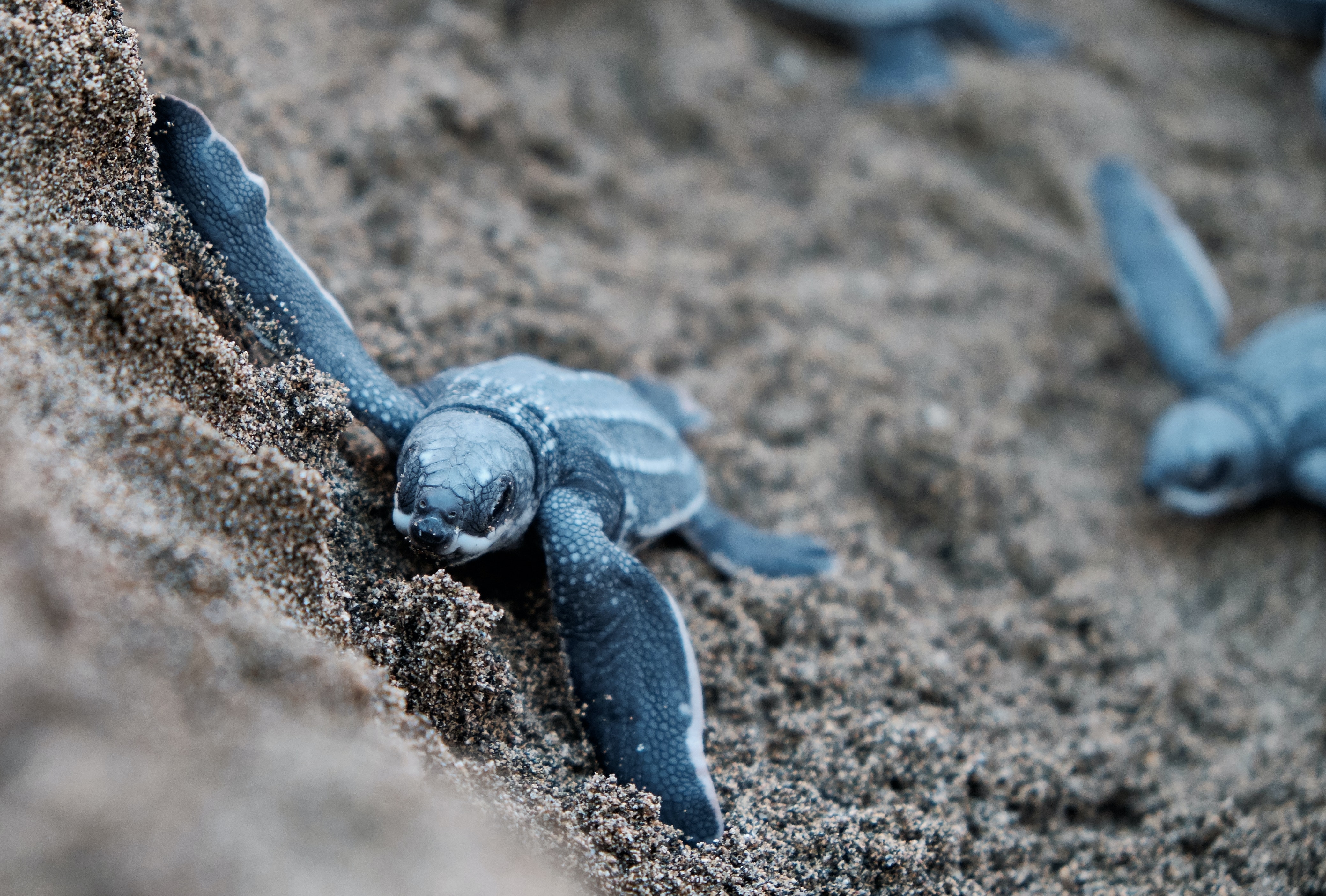
Loss of nesting habitat
Predation of eggs
Entanglement in fishing gear
Ingestion of marine debris
The loss of nesting habitat due to development and erosion poses a significant threat to sea turtles. As coastal areas face increasing human activity, the destruction and degradation of nesting beaches limit the turtles' ability to reproduce and perpetuate their populations. Conservation efforts are crucial in mitigating this risk and protecting their nesting sites.
Predation of eggs and hatchlings by animals like raccoons and dogs is a major threat to sea turtles. These animals are attracted to the eggs and hatchlings and can easily dig up nests and eat the eggs. Conservation efforts are crucial in mitigating this risk and protecting their nesting sites.
Entanglement in fishing gear, such as nets and lines, is a major threat to sea turtles. These animals are attracted to the eggs and hatchlings and can easily dig up nests and eat the eggs. Conservation efforts are crucial in mitigating this risk and protecting their nesting sites.
Ingestion of marine debris, like plastic bags and balloons, is a major threat to sea turtles. These animals are attracted to the eggs and hatchlings and can easily dig up nests and eat the eggs. Conservation efforts are crucial in mitigating this risk and protecting their nesting sites.
Conservation Efforts
Many organizations, including the Sri Lankan government and local hatcheries, are working to protect sea turtles and their habitats. Conservation efforts include:

Laws and regulations
Creating artificial nesting sites
Turtle-Friendly Fishing Gear
Enhancing Understanding
Protecting nesting habitats through laws and regulations is essential for the conservation of sea turtles. By establishing and enforcing measures that limit disturbances, coastal development, and habitat destruction, we can safeguard the crucial nesting sites. These protective measures ensure the continued survival and success of sea turtle populations for future generations.
Creating artificial nesting sites, like hatcheries, to protect eggs and hatchlings is essential for the conservation of sea turtles. By establishing and enforcing measures that limit disturbances, coastal development, and habitat destruction, we can safeguard the crucial nesting sites. These protective measures ensure the continued survival and success of sea turtle populations for future generations.
Developing fishing gear that is less likely to entangle sea turtles is essential for the conservation of sea turtles. By establishing and enforcing measures that limit disturbances, coastal development, and habitat destruction, we can safeguard the crucial nesting sites. These protective measures ensure the continued survival and success of sea turtle populations for future generations.
Conducting research to better understand sea turtle biology and behavior is essential for the conservation of sea turtles. By establishing and enforcing measures that limit disturbances, coastal development, and habitat destruction, we can safeguard the crucial nesting sites. These protective measures ensure the continued survival and success of sea turtle populations for future generations.